The exhibition also spoke of the dislocated identity of people who sit on the hyphen: Ruaa is Iraqi-Syrian-Australian; Lucy is Vietnamese and Samoan/Cook Islander Australian; Kayla Tange is Korean and was adopted by a Japanese American family; Eye Suriyanon, born in Thailand, is now living in the UK. How do you make sense of yourself when a world of national citizenship and borders cannot make sense of you? In search of an answer, we ride the waves of isolation, yearn for connection, objectification, abjection, exoticisation, refusal, and , if we are lucky, self-love. Sometimes these waves are far apart and leave us steep in the waters of our own self-generated feelings amplified by loneliness. Some other times, they play tag, and mesh and merge without prior consent. Kayla unravels the complicated feelings of an adopted child looking for her own identity in a world that eroticise and exoticize the figure of the Asian woman. In an artistic video, she wears a traditional Korean gown worn by the royal women of the Goryeo and Joseon Dynasty for ceremonial occasions. This dress was a collaboration between Kayla herself and Cypress Corsetry. The use of non-traditional colors in the robe and shibari rope for the undergarment frame this very personal narrative of being a South Korean orphan adopted by a Japanese American family and the historical conflict between the two cultures. It also calls attention to the fetishization of Asian women and how the art of burlesque has been a healing catalyst for her acceptance of her origin.
Ruaa embarked on a journey of self-acceptance and self-love with a piece featuring her curly, dark, and unruly hair trapped in disks of resin. She confessed to have a complicated relation with her hair because it does not conform to the standards of feminine beauty. This piece helped her come to terms and finally accept what she called “the undesirable features of my self-identity.”
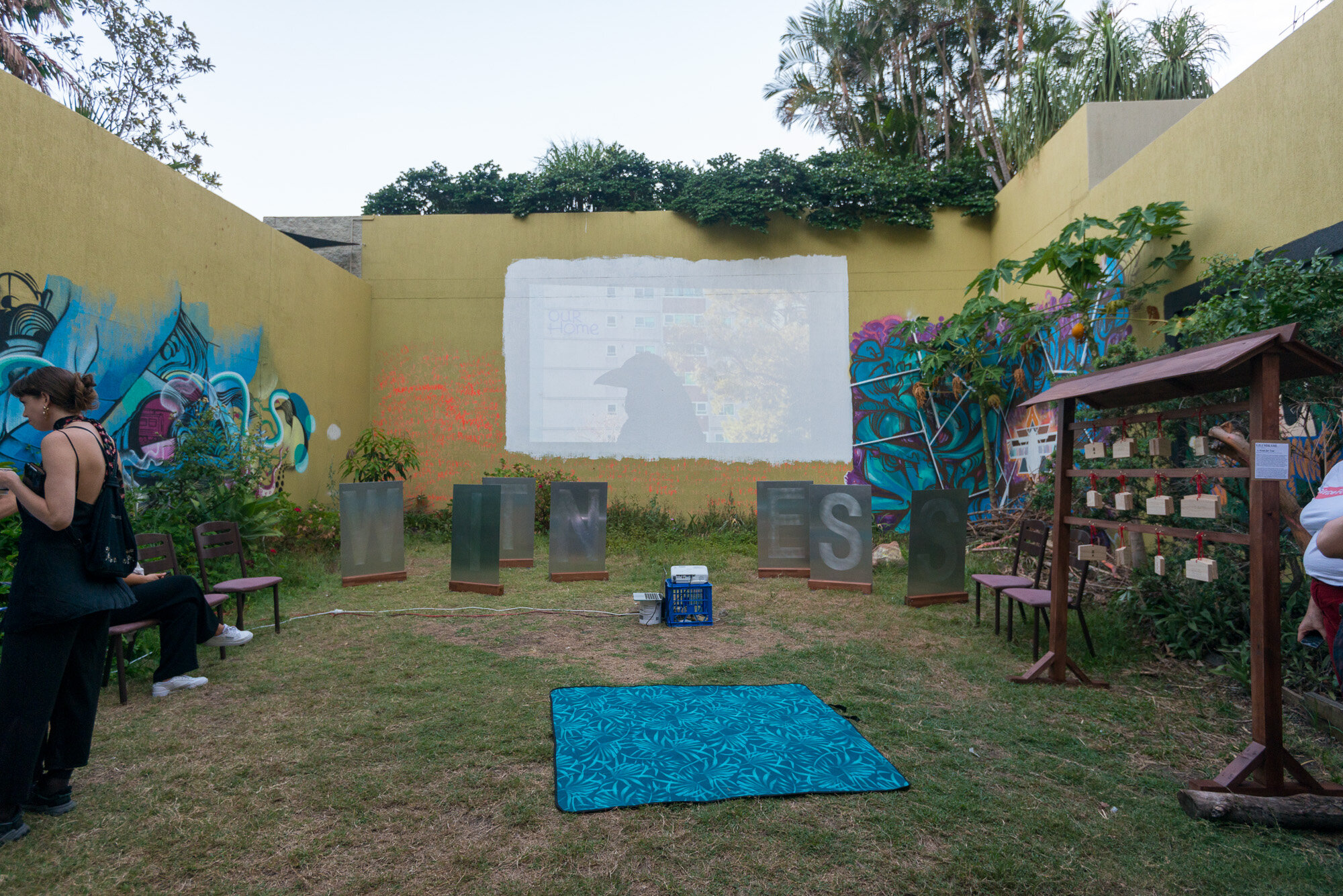
Self-acceptance and the difficult relationship that we have with ourselves and with others because of our identity are also the themes of Lucy’s second artwork, When you deny me my liberation I have no choice but to set myself free. This is a powerful and witty artwork that expressed a yearning for authenticity and a desire to stop being someone we are not. This is a poem printed red on red, only a few words are readable. The last line of the poem is the most readable, “In an effort to reach for sanity.” The audience dances back and forth looking for the words that can reveal Lucy’s story. This artwork is about Lucy’s experience of coming out as queer to her mother.